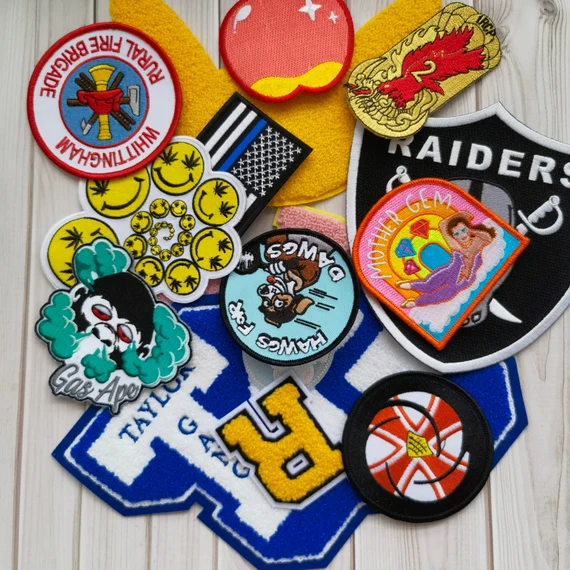
Sustainable Trims: The Future of Fashion
Sustainable Trims: The Future of Fashion
Sustainability is no longer just a trend in the fashion industry — it has become a core expectation from consumers, retailers, and global brands. While many fashion companies focus on sustainable fabrics, trims and garment accessories are equally important in building an eco-friendly product line.
From woven labels and hang tags to buttons, ribbons, elastics, and packaging, sustainable trims are shaping the future of fashion manufacturing.
In this article, we’ll explore what sustainable trims are, why they matter, and how fashion brands can choose the right eco-friendly accessories for their products.
What Are Sustainable Trims?
Sustainable trims are garment accessories made from environmentally responsible materials and processes. These trims are designed to reduce waste, lower carbon emissions, and support ethical production practices.
Common sustainable trims include:
- Recycled woven labels
- FSC-certified paper hang tags
- Organic cotton ribbons
- Recycled polyester elastics
- Biodegradable packaging bags
- Recycled buttons and patches
- Water-based printing labels
Image Prompt: Flat-lay of eco-friendly garment trims including recycled woven labels, kraft hang tags, cotton ribbons, and biodegradable packaging on a natural linen background.
Why Sustainable Trims Matter
Fashion brands are under increasing pressure to improve sustainability across the entire supply chain.
Consumers today care about:
- Eco-friendly packaging
- Ethical sourcing
- Recyclable materials
- Plastic reduction
- Transparent production
Even small accessories can significantly impact a brand’s environmental footprint.
Benefits of Sustainable Trims:
- Improve brand image
- Attract eco-conscious consumers
- Meet retailer sustainability requirements
- Support ESG goals
- Increase product value perception
Image Prompt: Modern clothing brand packaging with eco-friendly labels and recycled trims displayed in a minimalist studio environment.
Popular Sustainable Trim Materials
1. Recycled Polyester (rPET)
Recycled polyester is made from post-consumer plastic bottles and recycled waste materials.
Common Applications:
- Woven labels
- Elastic bands
- Ribbons
- Drawstring cords
Advantages:
- Reduces plastic waste
- Durable and versatile
- Supports circular production
Image Prompt: Recycled polyester woven labels next to recycled plastic bottles showing sustainability transformation.
2. Organic Cotton
Organic cotton is grown without harmful pesticides or synthetic chemicals.
Common Applications:
- Cotton labels
- Twill tapes
- Drawstring bags
- Fabric ribbons
Advantages:
- Soft and natural texture
- Biodegradable
- Eco-friendly farming process
Image Prompt: Organic cotton labels and ribbons displayed with raw cotton and natural textures.
3. FSC-Certified Paper
FSC-certified paper comes from responsibly managed forests.
Common Applications:
- Hang tags
- Packaging boxes
- Paper bags
- Wrapping paper
Advantages:
- Sustainable forestry support
- Recyclable material
- Premium natural appearance
Image Prompt: Luxury FSC-certified paper hang tags and packaging boxes with minimalist branding.
4. Biodegradable & Compostable Materials
Some trims are designed to naturally break down after disposal.
Examples:
- Compostable poly bags
- Biodegradable stickers
- Plant-based packaging films
Best For:
- Sustainable fashion brands
- Eco-conscious e-commerce packaging
Image Prompt: Compostable garment packaging displayed outdoors with natural environmental styling.
Sustainable Trim Certifications
Certifications help brands prove sustainability claims and build trust with customers.
Important Certifications:
| Certification | Purpose |
|---|---|
| GRS | Recycled material verification |
| FSC | Responsible forestry certification |
| OEKO-TEX | Chemical safety testing |
| REACH | EU chemical compliance |
| GOTS | Organic textile certification |
Many global fashion brands now require certified trims from suppliers.
Image Prompt: Certification icons displayed beside eco-friendly garment accessories and packaging materials.
Sustainable Trim Trends in 2026
1. Minimalist Branding
Brands are reducing excessive packaging and focusing on simple, clean trim designs.
2. Mono-Material Packaging
Using one recyclable material instead of mixed materials improves recyclability.
3. Recycled Luxury
Premium brands are increasingly using recycled trims without sacrificing aesthetics.
4. Digital Product Passports
QR-code labels are becoming popular for supply chain transparency and sustainability tracking.
5. Plastic-Free Packaging
Fashion brands are replacing virgin plastic with paper or compostable alternatives.
Image Prompt: Future-inspired fashion packaging featuring QR code labels, minimalist eco branding, and sustainable trims.
How to Choose Sustainable Trims for Your Brand
Consider Your Brand Positioning
Luxury brands may prioritize premium eco materials, while fast-fashion brands focus on scalable recycled solutions.
Balance Sustainability and Cost
Eco-friendly trims may cost slightly more initially but improve long-term brand value.
Verify Certifications
Always request valid certification documents from suppliers.
Ensure Product Compatibility
Choose trims suitable for your garment type, washing requirements, and durability expectations.
Image Prompt: Fashion designer reviewing sustainable trim samples with fabric swatches and packaging prototypes.
Common Mistakes Brands Make
1. Greenwashing
Avoid making unsupported sustainability claims.
2. Ignoring Packaging
Sustainable garments with excessive plastic packaging create inconsistency.
3. Focusing Only on Fabric
Accessories and trims are part of the sustainability journey too.
4. Choosing Style Over Function
Eco trims should still meet durability and quality standards.
Image Prompt: Comparison between excessive traditional packaging and modern sustainable packaging solutions.
The Future of Fashion Is Sustainable
Sustainable trims are no longer optional — they are becoming an essential part of modern fashion branding and manufacturing. Brands that invest in eco-friendly accessories today are better positioned to meet future market demands, retailer requirements, and consumer expectations.
From recycled woven labels to FSC-certified packaging, every small detail contributes to a more sustainable fashion industry.