Supply Chain Resilience in Apparel Manufacturing
Supply Chain Resilience in Apparel Manufacturing
The global apparel industry has experienced major disruptions in recent years — from raw material shortages and shipping delays to rising costs and geopolitical uncertainty. As a result, supply chain resilience has become one of the most important priorities for fashion brands, apparel manufacturers, and sourcing companies.
Today, successful apparel businesses are no longer focused only on low cost. They are building flexible, transparent, and reliable supply chains that can adapt to unexpected challenges.
In this article, we’ll explore what supply chain resilience means in apparel manufacturing, the biggest challenges brands face, and how companies can build stronger sourcing and production systems for the future.
What Is Supply Chain Resilience?
Supply chain resilience refers to the ability of a supply chain to prepare for, respond to, and recover from disruptions while maintaining stable operations.
In apparel manufacturing, this includes:
- Reliable material sourcing
- Stable production capacity
- Flexible logistics solutions
- Inventory management
- Supplier diversification
- Risk control systems
A resilient supply chain helps brands reduce delays, avoid stock shortages, and maintain customer satisfaction even during uncertain market conditions.
Image Prompt: Global apparel supply chain illustration showing factories, shipping routes, warehouses, and retail distribution connected digitally.
Why Supply Chain Resilience Matters in Fashion
Fashion supply chains are highly globalized and depend on multiple countries for fabrics, trims, packaging, manufacturing, and logistics.
Disruptions can lead to:
- Delayed product launches
- Increased production costs
- Inventory shortages
- Lost retail opportunities
- Customer dissatisfaction
For DTC brands and e-commerce sellers, delays directly impact sales performance and customer reviews.
Key Benefits of a Resilient Supply Chain:
- Faster response to market changes
- Better inventory control
- Improved delivery reliability
- Reduced sourcing risks
- Stronger customer trust
Image Prompt: Fashion brand operations team analyzing global sourcing and logistics data on digital dashboards.
Major Challenges in Apparel Supply Chains
1. Raw Material Price Fluctuations
Prices for cotton, polyester, paper packaging, and trims can change rapidly due to market demand and supply shortages.
Impact:
- Unstable production costs
- Reduced profit margins
- Pricing pressure for brands
Image Prompt: Charts showing fluctuating textile and packaging material prices in apparel manufacturing.
2. Shipping & Logistics Delays
Ocean freight congestion and rising transportation costs continue to affect global apparel sourcing.
Common Issues:
- Port delays
- Container shortages
- Customs clearance delays
- High freight costs
Brands relying on single shipping routes face higher risks.
Image Prompt: Shipping containers and cargo ports handling apparel exports with logistics tracking overlays.
3. Overdependence on Single Suppliers
Relying on one factory or one country creates operational risk.
If a supplier experiences:
- Factory shutdowns
- Labor shortages
- Quality problems
- Political instability
Production timelines can collapse quickly.
Image Prompt: Apparel production map highlighting diversified sourcing across multiple countries.
4. Sustainability Compliance Pressure
Fashion brands now face growing expectations related to:
- Environmental responsibility
- Ethical sourcing
- Supply chain transparency
- Carbon footprint reduction
Retailers increasingly require certified materials and traceable production systems.
Image Prompt: Sustainable apparel supply chain concept with eco-friendly materials, certifications, and digital tracking systems.
Strategies for Building Supply Chain Resilience
1. Supplier Diversification
Working with multiple suppliers reduces dependency risks.
Best Practices:
- Source from multiple regions
- Develop backup suppliers
- Maintain secondary production capacity
This creates flexibility during emergencies.
Image Prompt: Supplier network diagram showing diversified apparel manufacturing partnerships worldwide.
2. Strengthen Supplier Relationships
Long-term partnerships improve communication, production stability, and priority support during disruptions.
Important Actions:
- Share demand forecasts
- Maintain transparent communication
- Collaborate on planning
- Build mutual trust
Reliable suppliers become strategic partners, not just vendors.
Image Prompt: Apparel brand representatives meeting with manufacturing partners in a modern sourcing office.
3. Improve Inventory Planning
Many brands are shifting from “just-in-time” models to more balanced inventory strategies.
Smart Inventory Approaches:
- Safety stock management
- Forecast-driven purchasing
- Flexible reorder systems
- Seasonal inventory planning
Technology and data analytics now play a major role.
Image Prompt: Warehouse inventory management system tracking apparel products and accessories digitally.
4. Digital Supply Chain Management
Technology helps brands improve visibility and decision-making.
Useful Digital Tools:
- ERP systems
- Inventory tracking software
- Supplier management platforms
- AI demand forecasting
- QR code traceability systems
Digitalization improves speed, accuracy, and transparency.
Image Prompt: Digital apparel supply chain dashboard displaying production tracking, inventory, and shipping analytics.
5. Focus on Nearshoring & Regional Sourcing
Some brands are reducing risk by sourcing closer to their main markets.
Advantages:
- Shorter lead times
- Lower shipping risks
- Faster market response
- Easier communication
Nearshoring is becoming increasingly popular in the US and European fashion markets.
Image Prompt: Apparel manufacturing hubs located closer to US and European markets with shorter logistics routes visualized.
The Role of Sustainable Packaging & Trims
Packaging and garment accessories are also important parts of supply chain resilience.
Reliable suppliers for:
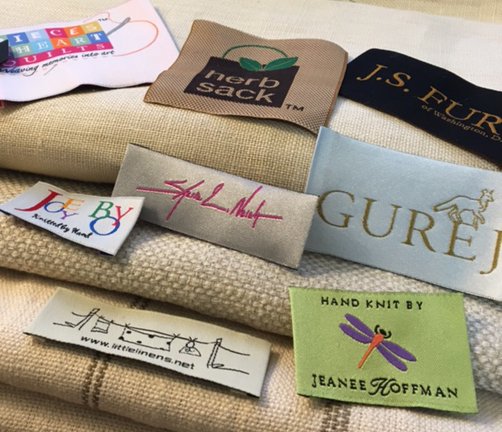
- Woven labels
- Hang tags
- Packaging boxes
- Poly mailers
- Ribbons
- Stickers
help reduce production delays and improve overall operational efficiency.
Brands increasingly prefer suppliers that offer:
- Stable lead times
- FSC-certified materials
- Recycled packaging options
- Flexible MOQ solutions
Image Prompt: Sustainable apparel packaging and garment trims organized for large-scale production and export.
Future Trends in Apparel Supply Chains
1. AI-Powered Forecasting
AI tools help brands predict demand more accurately.
2. Supply Chain Transparency
Consumers increasingly expect traceable sourcing information.
3. Sustainable Manufacturing
Eco-friendly production is becoming mandatory rather than optional.
4. Flexible Production Models
Smaller batch production improves adaptability.
5. Digital Product Passports
QR codes and digital tracking systems are becoming more common in apparel products.
Image Prompt: Futuristic apparel manufacturing ecosystem with AI analytics, QR-code tracking, and sustainable production systems.
Conclusion
Supply chain resilience is now a critical competitive advantage in apparel manufacturing. Fashion brands that invest in diversified sourcing, strong supplier relationships, digital tools, and sustainable production systems will be better prepared for future market uncertainty.
In modern fashion manufacturing, resilience is no longer only about reducing costs — it’s about building stability, flexibility, and long-term growth.