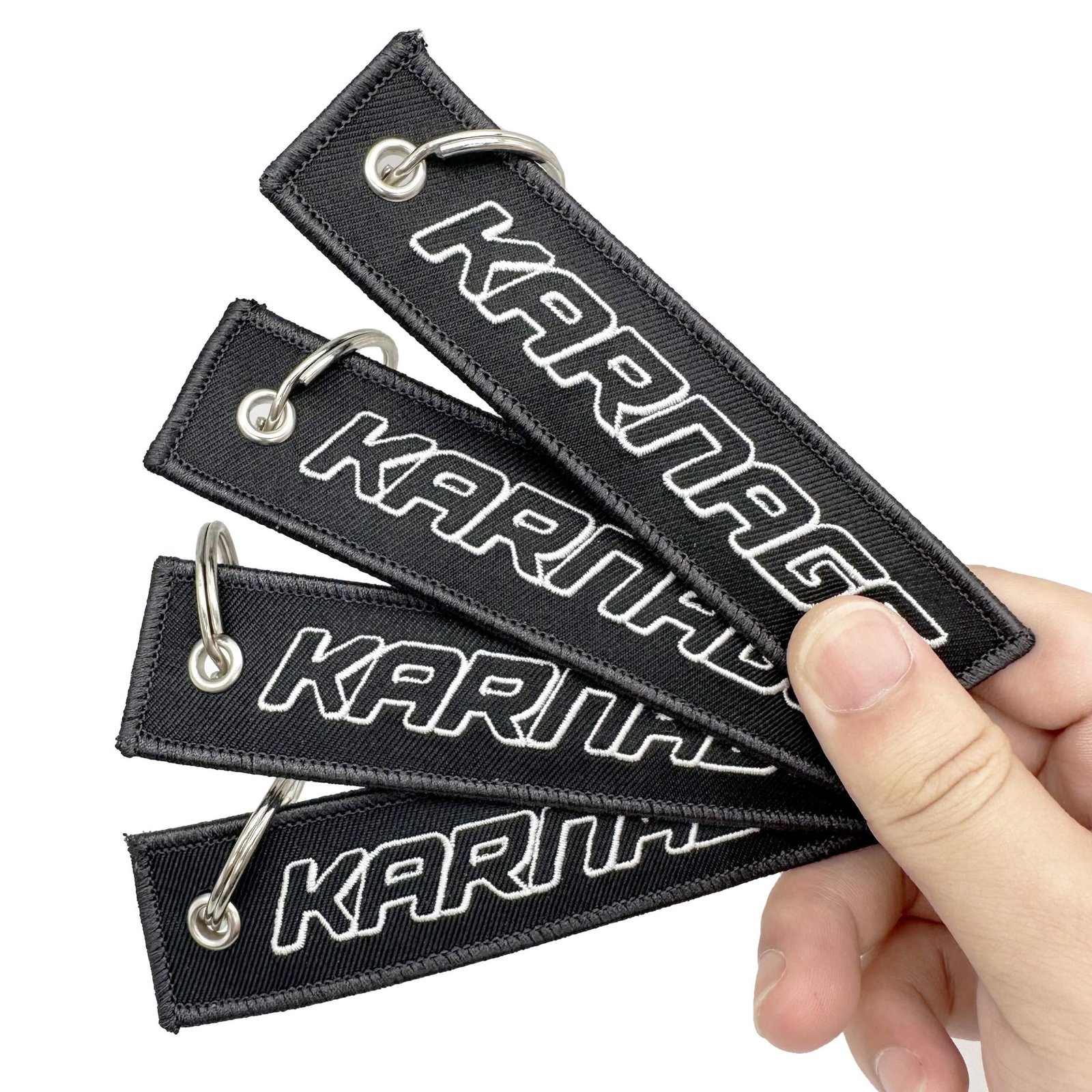
Small Batch Success: DTC Brand Using Low MOQ Labels to Launch New Collection
Small Batch Success: How a DTC Brand Used Low MOQ Labels to Launch a New Collection
For many direct-to-consumer (DTC) fashion brands, launching a new collection comes with a familiar challenge: balancing creativity with inventory risk. Ordering thousands of custom clothing labels before validating a product can tie up cash flow and leave brands with unused inventory if designs change.
This case study explores how one emerging DTC apparel brand leveraged low minimum order quantity (MOQ) woven labels to test a new collection, reduce risk, and build a more agile product development process.
The Challenge
An independent streetwear brand planned to launch a limited-edition capsule collection featuring six new designs.
While the garments were ready for production, the team faced several concerns:
- Uncertain customer demand
- Limited marketing budget
- Frequent design revisions
- Multiple garment styles requiring different labels
- Cash flow constraints
Traditional label suppliers required MOQs of several thousand pieces per design, making it difficult to experiment without overcommitting.
The Solution: Low MOQ Custom Labels
Instead of placing one large order, the brand chose a supplier offering low MOQ production.
The initial order included:
- 200 woven labels for hoodies
- 200 woven labels for T-shirts
- 150 heat transfer neck labels
- 100 embroidered patches for limited editions
- Matching hang tags for each product line
This approach allowed the brand to launch the collection without making a large upfront investment.
Why Low MOQ Made a Difference
1. Reduced Inventory Risk
Fashion trends evolve quickly, and customer preferences can shift within weeks.
By ordering only what was needed for the first production run, the brand avoided storing thousands of unused labels if styles changed or products sold slower than expected.
2. Faster Product Testing
Instead of waiting until every design was finalized, the team launched the collection sooner and gathered real customer feedback.
They monitored:
- Best-selling colors
- Most popular sizes
- Customer reviews
- Social media engagement
- Repeat purchase rates
These insights informed future production decisions.
3. Easier Design Updates
After the first release, customer feedback revealed that the woven logo looked slightly small on oversized hoodies.
Because the label order was relatively small, the brand updated the artwork before the second production run without wasting large quantities of inventory.
4. Better Cash Flow
Lower MOQs meant less capital tied up in accessories.
The savings allowed the company to invest more in:
- Product photography
- Influencer collaborations
- Paid social advertising
- Email marketing
- New product development
For growing brands, preserving cash can be just as valuable as reducing production costs.
The Results
Within a few months of launch, the brand experienced several positive outcomes:
| Metric | Before | After Using Low MOQ Labels |
|---|---|---|
| Upfront accessory investment | High | Lower |
| Design flexibility | Limited | Much greater |
| Inventory waste | Frequent | Minimal |
| Collection launch speed | Slower | Faster |
| Cash available for marketing | Limited | Increased |
Although the unit cost per label was slightly higher than a large-volume order, the overall business benefited from improved flexibility and lower financial risk.
Lessons for Emerging DTC Brands
Low MOQ labels are especially valuable when:
- Launching a new brand
- Testing seasonal collections
- Producing limited editions
- Running crowdfunding campaigns
- Creating influencer collaborations
- Offering personalized or customized products
Rather than focusing only on the lowest unit price, consider the total cost of excess inventory, storage, and redesigns.
Best Practices for Small-Batch Label Orders
To maximize the value of low MOQ production:
- Finalize your logo and brand guidelines before ordering.
- Choose durable materials that match your garment quality.
- Keep label dimensions consistent across multiple products where possible.
- Order a small quantity first to evaluate color, texture, and stitching.
- Leave room for future design improvements based on customer feedback.
- Work with a supplier that can scale production quickly if demand increases.
Final Thoughts
For modern DTC fashion brands, agility is often a greater competitive advantage than scale. Low MOQ custom labels allow businesses to test ideas, respond to customer feedback, and launch collections with greater confidence—without committing to excessive inventory.
A successful product launch isn’t just about designing great apparel. It’s about building a flexible supply chain that supports innovation, protects cash flow, and grows alongside your brand.