Embroidery vs Heat Transfer Labels: Which One Fits Your Product?
Embroidery vs Heat Transfer Labels: Which One Fits Your Product?
When it comes to branding your apparel, choosing the right label can make all the difference. Two popular options for garment labels are embroidered labels and heat transfer labels. Both have unique advantages depending on your product type, brand image, and production needs. In this article, we’ll break down the key differences and help you decide which label type fits your product best.
1. What Are Embroidery Labels?
https://zhunmingtextile.com/embroidery-patch/
Embroidery labels are made by stitching designs directly onto fabric, usually using thread. They are often applied to garments, hats, bags, or accessories and are highly durable.
Advantages of Embroidery Labels:
- ✅ Durable & Long-lasting: Resistant to washing and wear.
- ✅ Premium Look & Feel: Adds a high-quality, luxurious touch to garments.
- ✅ 3D Design Possibilities: Can create textures and depth for logos or patterns.
Best For:
- Jackets, hoodies, and uniforms
- High-end fashion items
- Products that need long-lasting branding
2. What Are Heat Transfer Labels?
https://zhunmingtextile.com/heat-transfer-label-2/
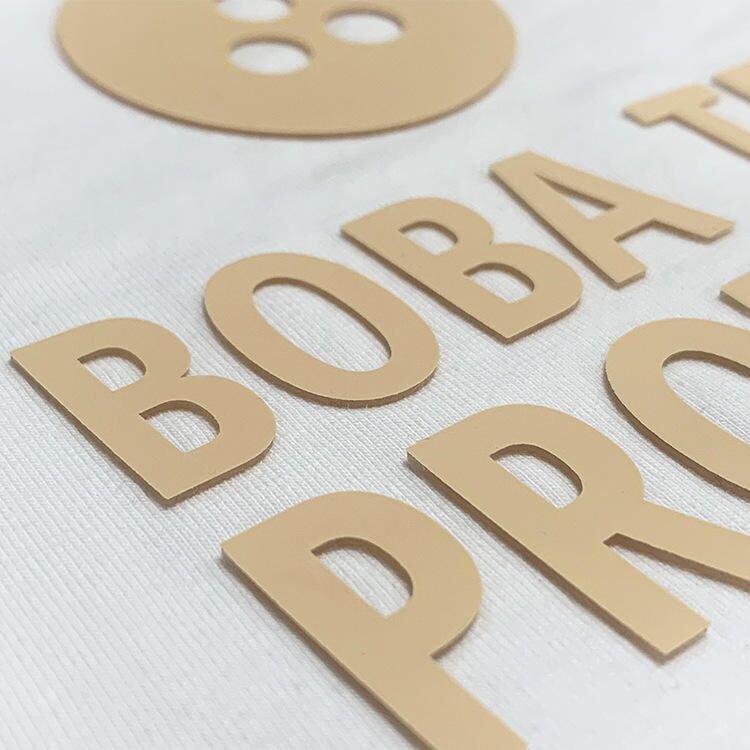
Heat transfer labels are designs printed on a special transfer film, which is then applied to garments using heat and pressure. They are thin, flexible, and virtually invisible on the fabric surface.
Advantages of Heat Transfer Labels:
- ✅ Soft & Comfortable: No rough edges, ideal for clothing worn close to the skin.
- ✅ Versatile Design Options: Can produce complex images, gradients, and small text.
- ✅ Cost-Effective for Large Runs: Easier to produce in bulk without extra sewing costs.
Best For:
- T-shirts, activewear, and children’s clothing
- Lightweight fabrics
- Designs with intricate details or multiple colors
3. Comparing Embroidery and Heat Transfer Labels
| Feature | Embroidery Label | Heat Transfer Label |
|---|---|---|
| Durability | High | Medium |
| Cost | Higher | Lower for bulk |
| Appearance | 3D, textured | Flat, seamless |
| Comfort | Can feel raised on skin | Soft, lightweight |
| Design Options | Limited by thread colors | Unlimited, detailed prints |
| Application | Sewn on | Heat-pressed |
4. Factors to Consider When Choosing
- Product Type: Heavy fabrics favor embroidery; lightweight fabrics favor heat transfer.
- Target Audience: Luxury and premium brands often choose embroidery; casual or kids’ apparel often uses heat transfer.
- Design Complexity: Complex logos with gradients are easier with heat transfer.
- Budget & MOQ: Embroidery requires higher setup cost and minimum order quantity.
5. Conclusion
Choosing between embroidered and heat transfer labels comes down to balancing durability, aesthetics, comfort, and cost. By considering your product type, brand image, and production scale, you can select the label that best enhances your apparel’s appeal.