Before & After: How a Brand Upgraded Their Hang Tags for Higher Perceived Value
Before & After: How a Brand Upgraded Their Hang Tags for Higher Perceived Value
In today’s competitive fashion market, customers judge a product long before they wear it. Every detail—from the fabric to the packaging—contributes to the overall brand experience. One of the most overlooked branding tools is the hang tag. While small in size, a thoughtfully designed custom hang tag can dramatically increase a product’s perceived value and strengthen customer trust.
This case study explores how one apparel brand transformed its ordinary hang tags into premium brand assets, resulting in a more luxurious presentation and stronger customer perception.
The Challenge
A fast-growing DTC clothing brand was producing high-quality garments, but its branding didn’t reflect the premium nature of its products.
Their original hang tags had several common issues:
- Thin 250gsm coated paper
- Standard CMYK printing
- Generic rectangular shape
- Basic cotton string
- No finishing effects
- Limited brand storytelling
Although the clothing itself received positive reviews, many customers described the packaging as “ordinary” and “similar to cheaper brands.”
The company realized that improving the first impression could better justify its premium pricing.
Before: Standard Hang Tags


The original hang tags focused only on displaying product information.
Features included:
- 250gsm art paper
- Single-sided CMYK printing
- Standard black cotton string
- Product name
- Size
- Barcode
- Price
Functionally, the tags worked well, but they failed to communicate craftsmanship, sustainability, or brand identity.
The Upgrade Strategy
Instead of making one expensive change, the brand combined several subtle improvements that worked together.
1. Premium Paper Stock
The brand upgraded from 250gsm coated paper to 600gsm premium uncoated cardstock.
Benefits:
- Heavier feel
- Better rigidity
- More luxurious texture
- Improved durability
Simply holding the tag immediately created a stronger perception of quality.
2. Minimalist Design
Rather than adding more graphics, the designers removed unnecessary elements.
The new design featured:
- Larger logo
- More white space
- Modern typography
- Cleaner layout
- Consistent brand colors
Luxury brands often communicate confidence through simplicity.
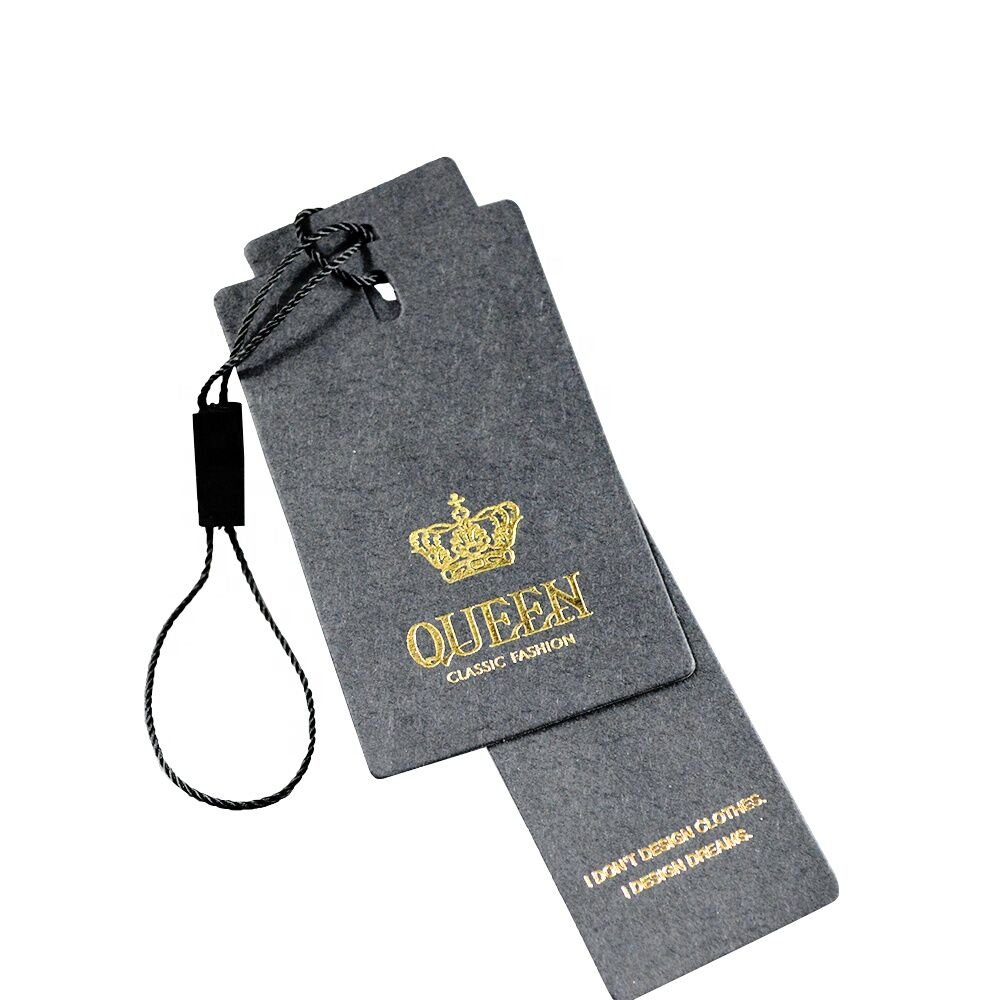
3. Foil Stamping
A small gold foil logo was added to the front.
This simple enhancement provided:
- Metallic shine
- Better shelf visibility
- Premium appearance
- Stronger logo recognition
Instead of printing the logo with ink, foil stamping created an elegant tactile experience.
4. Embossing
The brand embossed its logo beneath the foil.
This subtle texture allowed customers to actually feel the branding, making the product seem more exclusive.
5. Better String and Accessories
The standard cotton string was replaced with:
- Waxed cotton cord
- Custom metal seal
- Branded knot
- Consistent color matching
Although inexpensive, these accessories significantly elevated the overall presentation.
6. Sustainability Messaging
Modern consumers appreciate brands that communicate environmental responsibility.
The reverse side now included:
- FSC-certified paper statement
- QR code linking to brand story
- Material information
- Care instructions
- Recycling guidance
The QR code also helped connect offline packaging with the brand’s online experience.
After: Premium Hang Tags
The new hang tags immediately reflected the quality of the garments.
Customers frequently commented on:
- Premium feel
- Elegant design
- Better packaging experience
- More trustworthy branding
- Luxury presentation
The clothing itself hadn’t changed—but the perceived value had increased significantly.
Results
Within several months of implementing the upgraded hang tags, the brand reported noticeable improvements:
| Metric | Before | After |
|---|---|---|
| Customer comments mentioning packaging | Occasional | Much more frequent |
| Premium brand perception | Moderate | Significantly stronger |
| Social media unboxing posts | Limited | Increased substantially |
| Gift purchase appeal | Average | Higher |
| Brand consistency | Inconsistent | Strong across products |
While many factors influence sales, the improved hang tags contributed to a more memorable unboxing experience and reinforced the brand’s premium positioning.
Key Takeaways
If you’re looking to increase perceived value without redesigning your products, upgrading your hang tags can deliver a strong return on investment.
Focus on improvements such as:
- Thicker premium paper
- Minimalist layouts
- Foil stamping
- Embossing or debossing
- High-quality cords and seals
- Consistent brand colors
- Sustainable materials
- QR codes for storytelling
These relatively small enhancements can transform a simple product label into a powerful branding tool.
Final Thoughts
Customers often decide whether a product feels “premium” within seconds. A well-crafted hang tag helps create that impression before they even touch the garment.
For DTC fashion brands, boutiques, and premium apparel manufacturers, investing in custom hang tags is more than a packaging upgrade—it’s an investment in brand perception, customer experience, and long-term loyalty.